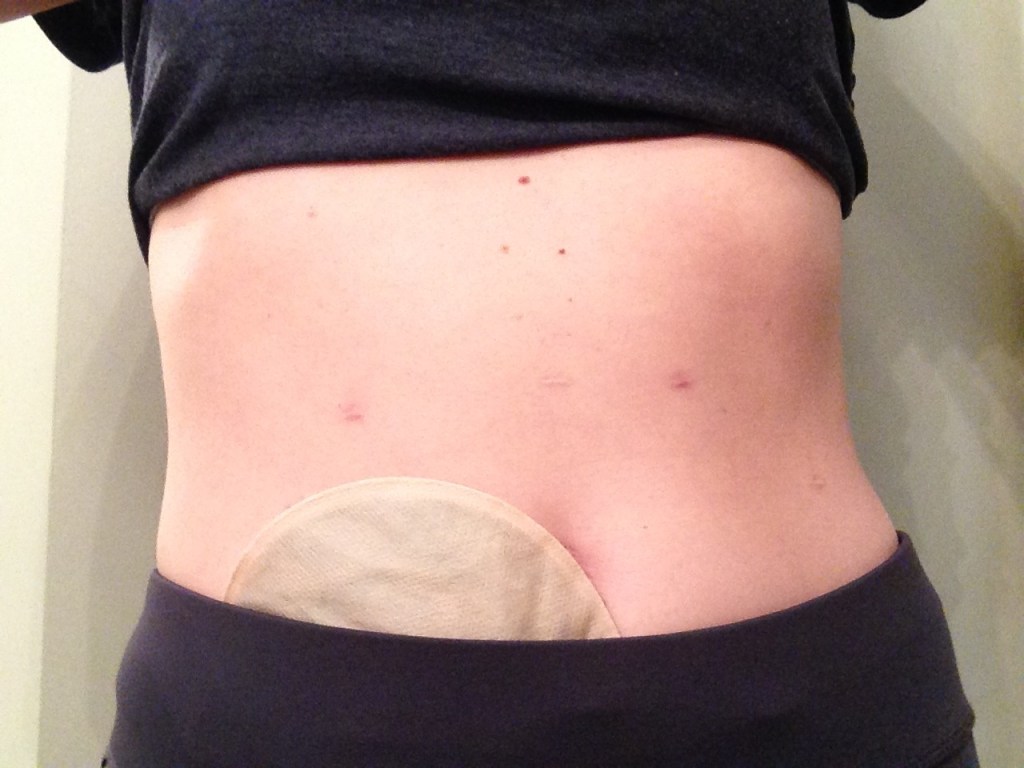
Ileostomy surgery, also known as J-pouch surgery, creates an ileostomy—a small opening in the abdomen that allows stool to pass out of the body. This surgery is often required for people with ulcerative colitis or Crohn’s disease. While it can be difficult and uncomfortable at first, there are many benefits to having an ileostomy, such as the lack of abdominal pain and easier bowel movements.
What is an Ileostomy?
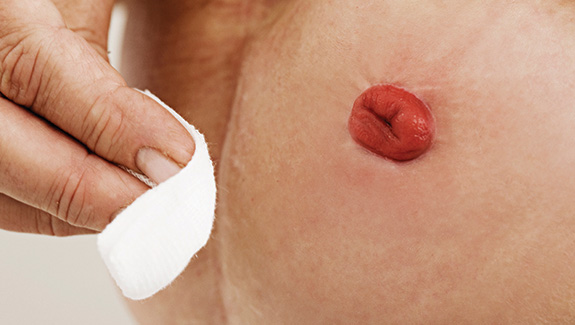
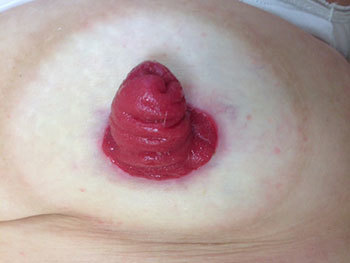
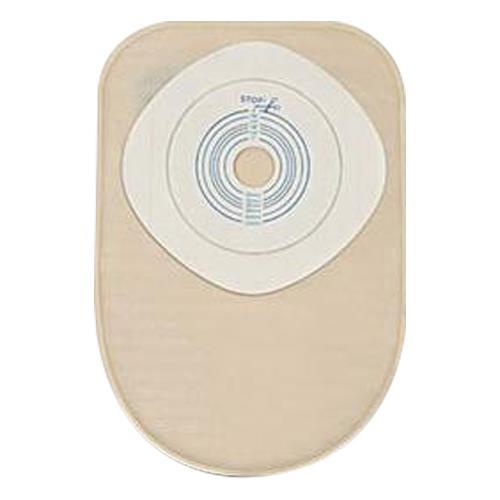
If you’re about to have ileostomy surgery, it’s important to be informed on what an ileostomy is. An ileostomy involves surgical removal of a portion of your small intestine called an ileum. This stoma is then attached to your abdominal wall, creating a new exit for digestive waste to pass through. There are two types of ostomies—loop ileostomies and end-to-end stomas—and knowing how each works can help you prepare for them both.
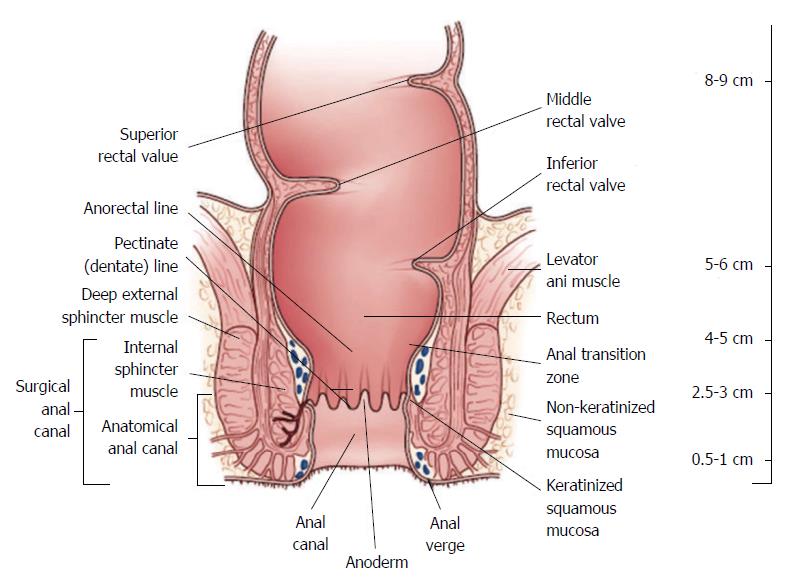
A loop ileostomy connects loops of remaining bowel or transplanted tissue to form one long pipe that then attaches externally. End-to-end surgeries connect two lengths of intestine with staples, resulting in an internal barrier between ends that forms separate openings on either side of your abdomen. Although there are benefits to both procedures, loop ostomies are more common because they cause less damage to the intestines during surgery.
It’s also easier for people with ulcerative colitis or Crohn’s disease who had large amounts of intestine removed in previous surgeries to deal with loop ostomies better than end-to-end stomas because there is no blockage present in their systems during healing periods between stoma changes that occurs with some patients when using external drains.
Post-Op Stoma Care
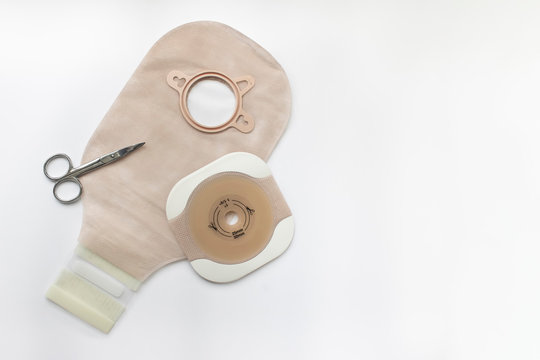
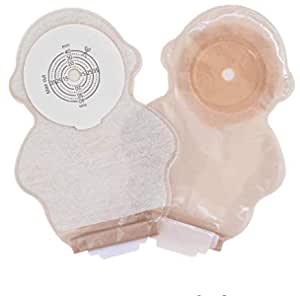
After any surgery, including an ileostomy procedure, it is important to ensure that your wounds heal properly. You must follow your doctor’s instructions precisely for optimal healing and to avoid any setbacks. If you’re having a difficult time with post-op stoma care or other aspects of your ileostomy recovery, talk to other ostomates or friends/family who have gone through similar surgeries; we find we can usually learn from each other’s experiences.
Benefits of Having an Ileostomy
There are many potential benefits to an ileostomy surgery. For example, people with Crohn’s disease who have been experiencing severe abdominal pain, weight loss or bloody stools could benefit from a permanent ileostomy because it can relieve these symptoms. In some cases, people with severe ulcerative colitis can also benefit from an ileostomy because they may not be able to tolerate long-term steroid use without experiencing serious side effects.

Things To Expect After Surgery
After an ileostomy surgery, you may experience some changes in your body. Don’t panic when they happen—these are normal side effects of surgery. But you do need to speak up if something isn’t right. Discuss any new symptoms with your doctor. They could be signs of infection or other complications that require immediate medical attention. Your doctor will also provide you with detailed instructions on how to care for yourself after surgery!








 Excretory Tract Info