Diverticulitis can be a very alarming pain to go through. The body’s digestive system absorbs nutrients to spread through the body while digesting food. Sometimes this doesn’t go as planned and can make for serious problems. This is because of weakened area around the colon that are put under pressure. The pressure from this leads to pouches against the colon wall. If these pouches get inflamed or torn it leads to diverticulitis. This can lead to nausea, fever, sever abdominal pain, changes in bowel movements and disruption of daily lifestyle. This can usually be resolved by rest and a few lifestyle changes. Usually when this doesn’t work antibiotics are given for treatment. Severe cases usually end up with surgery.
Symptoms from this are most commonly pain. This pain can occur on either or both the left or right abdominal side. Other symptoms include: nausea and vomiting, fever, abdominal tenderness, constipation, or even diarrhea. If diverticulitis goes untreated it can lead to abscesses, blockages in bowel movement, abnormal passageways between organs, and peritonitis.
Diverticulitis is more likely to happen to those that are older, obese smoke, live a nonactive lifestyle, take certain medications, and eat a diet with high animal fat and low fiber. To prevent this one must exercise at least 30 minutes a day, drink plenty of fluids, not smoke and increase fiber intake.
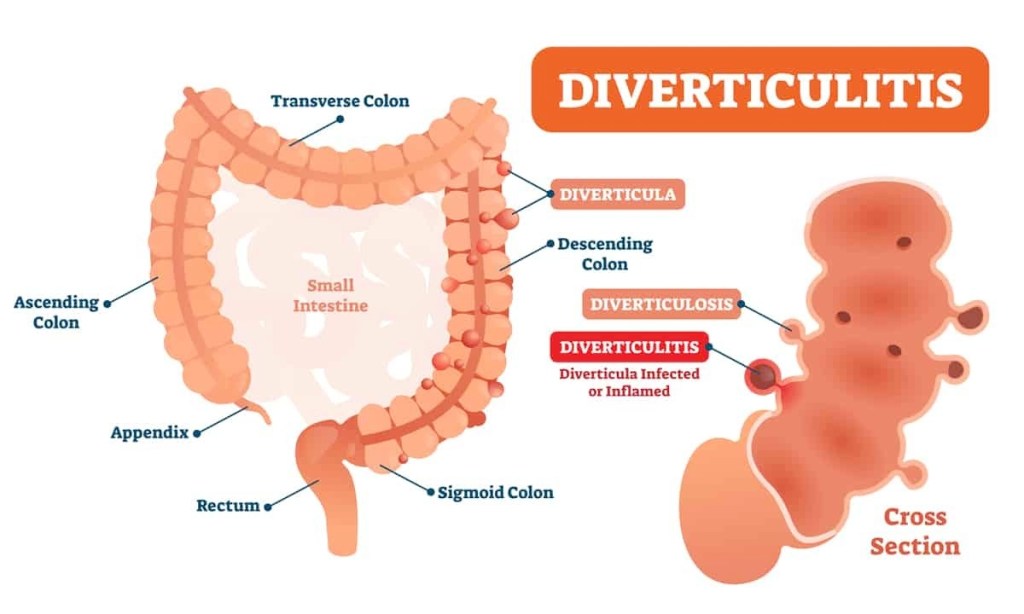
As stated previously, severe cases lead to surgery. These severe cases can sometimes be life threatening making lifestyle changes and rest not sufficient. Diverticulitis can be damaging to vital organs and lead to further problems. This type of surgery has two different types: bowel resection with primary anastomosis and bowel resection with colostomy. The bowel resection with primary anastomosis surgery is where the surgeon removes parts and pieces from the infected colon in attempt to save the organ. The bowel resection with colostomy is when the surgeon will remove the infected colon then connect the bowel through an opening in the abdomen. Risks from this type of surgery increase if one is obese, over the age of 60, underlying health conditions, poor health or if it is an emergency procedure. There are many complications that can occur including: blood clots, heart attack, sepsis, kidney failure, infection of the incision site and nearby organ damage, hemorrhaging, stroke, respiratory failure, narrowing or blockage of the colon from scar tissue, formation of an abscess near the colon, incontinence and leaking from area of anastomosis.
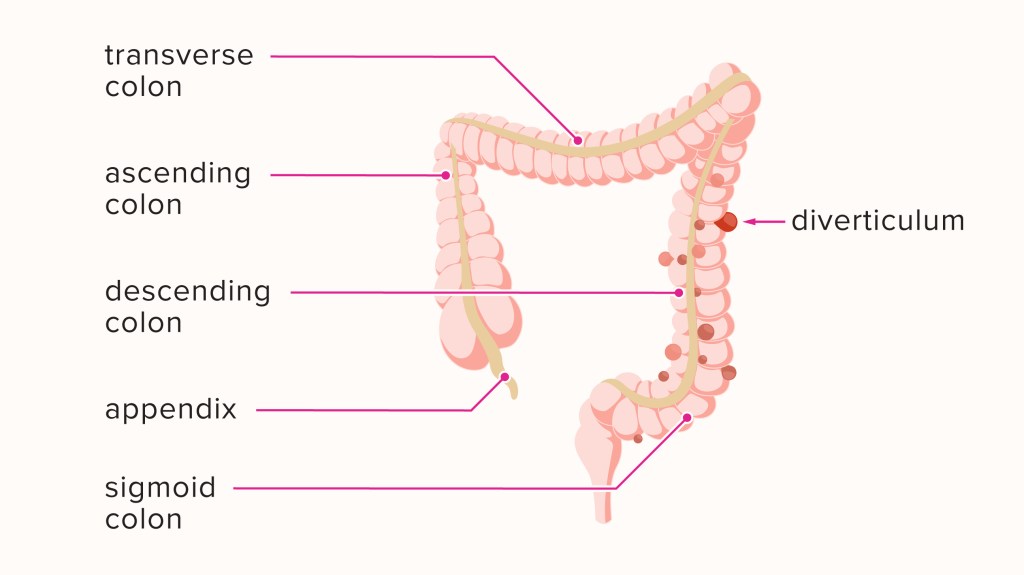
To prepare for diverticulitis surgery the doctor will request for a few things to be done so there won’t be as many risks. Before surgery you must stop taking any medications that thin blood, stop smoking at least a few weeks before surgery as well as changing your diet to liquids and laxatives to help clean bowels. Following surgery it can take about two weeks to fully recover. The first week of recovery is usually in the hospital. Once back home you must refrain from exercise, heavy lifting and sex for at least two weeks. Doctors may have shorter or longer recommendations that you should follow through with. During recovery stick with clear fluids and slowly reintroduce solids into your body. If you have a ostomy bag a doctor or nurse will teach you the proper care for it.
 Excretory Tract Info